Grok’s Deepfake Feature Remains Free

▼ Summary
– X has restricted free users from generating images by replying to @grok, but Grok’s image editing tools remain widely accessible through other methods on the platform.
– All X users, including free ones, can still use Grok to create and edit images via the website, app, or an “Edit image” button on X, which can produce sexualized deepfakes.
– The platform faces backlash for enabling nonconsensual, sexualized deepfakes of adults and minors, leading to regulatory scrutiny and criticism from officials like the UK Prime Minister’s spokesperson.
– Elon Musk’s xAI has threatened action against users creating illegal content with Grok, but critics argue the company should implement stronger guardrails rather than just limiting access.
– X’s approach of restricting access instead of constraining use contrasts with other AI firms like Google and OpenAI, which impose stricter content safeguards on their image generators.
Amid a growing controversy over the creation of nonconsensual and sexually explicit deepfake images, Elon Musk’s X platform has taken a partial step to limit one method of accessing its Grok AI image generator. While the company has restricted the ability to summon the tool by replying to posts with @grok to paying subscribers only, the core functionality for creating and editing images remains widely available to all users at no cost. This move has drawn criticism for appearing to monetize a feature linked to the production of harmful content rather than effectively preventing its creation.
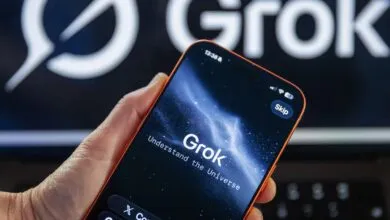
Anyone attempting to use the @grok reply method now receives an automated message stating that image generation is limited to paying subscribers, with a prompt to sign up for X’s premium services. This has led to numerous reports suggesting the tool is now behind a paywall. However, this impression is misleading. Multiple other avenues to access Grok’s image capabilities remain completely open to free account holders. These include a prominently placed “Edit image” button on every picture viewed on X’s desktop website, the same function accessible by long-pressing any image in the mobile app, and dedicated Grok tabs within X and standalone applications.
Testing confirms that through these alternative interfaces, the AI readily complies with requests to generate or alter images, including those of a sexually explicit nature. The tool can still be used to create “nudified” images or other deepfakes, meaning the recent change does little to address the core problem that sparked the backlash. The platform has become a significant hub for such material, with critics labeling it a primary source for nonconsensual deepfake pornography.
The situation has attracted scrutiny from global regulators and politicians. A spokesperson for UK Prime Minister Keir Starmer criticized the platform’s approach, arguing that placing the feature behind a partial paywall transforms an AI tool capable of generating unlawful imagery into a premium service, which they called an insult to victims rather than a solution. The company’s strategy of limiting access points instead of implementing technical guardrails to prevent the creation of harmful content stands in contrast to practices at other major AI firms, which typically build stricter content filters directly into their systems.
Reports indicate internal disagreement over safety measures at xAI, Grok’s developer, with several members of a small safety team departing prior to the recent surge of problematic images. Musk has personally expressed opposition to stringent AI restrictions. While X and xAI have threatened action against users who create illegal content, the continued ease of access to the image-editing tools raises questions about the effectiveness of this reactive stance compared to proactive prevention. The company has not publicly commented on the discrepancy between its stated restrictions and the readily available functionality.
(Source: The Verge)