Plaud NotePin Gets a New Button Upgrade
▼ Summary
– Plaud has released an updated version of its NotePin AI recorder called the NotePin S, which is nearly identical to the original except for the addition of a physical button.
– The new button replaces the original model’s haptic squeeze controls to provide a simpler, less ambiguous way to start recording and add highlights, addressing user complaints.
– The NotePin S retains the same design, colors, battery life, and features as its predecessor, including audio recording, transcription, summary generation, and Apple Find My support.
– Plaud also launched a free desktop app for Mac and PC that automatically records audio from online meetings and syncs with recordings from its hardware devices.
– The NotePin S is priced at $179, includes previously separate accessories in the box, and will replace the original model, which is being phased out.
Plaud has introduced a refreshed version of its compact AI recorder, the NotePin S, which centers on a significant physical upgrade: a dedicated button. This change addresses user feedback from the original model, aiming to make the device more intuitive and reliable. Alongside the hardware update, the company is launching a new desktop application designed to capture audio from virtual meetings, offering a free tool for existing customers to build a comprehensive library of their discussions.
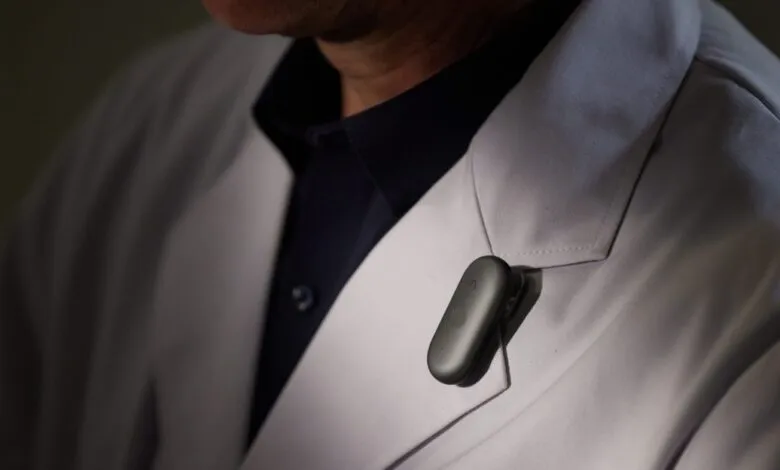
The NotePin S retains the familiar, fitness-tracker-inspired design of its predecessor. It maintains a similar compact form factor, available in black, purple, or silver finishes, and offers comparable battery performance. Apple’s Find My network support continues, helping users locate the small device if misplaced. The core functionality remains unchanged; it captures audio and uses AI to generate transcriptions, summaries, and actionable notes from conversations.
The primary evolution is the introduction of a physical button, replacing the original model’s haptic squeeze controls. Users of the first NotePin occasionally reported failed recordings due to an imprecise squeeze. The new interface is straightforward: a long press initiates recording, while a short tap inserts a highlight marker during a session. This shift to a tactile button reduces ambiguity, ensuring users receive clear, physical confirmation that the device is actively capturing audio. For a product category where simplicity is critical, this seemingly minor tweak could significantly enhance the user experience.
Plaud is also bundling more accessories with the NotePin S. The wristband and lanyard, previously sold separately, are now included in the box alongside the magnetic pin and clip. This provides greater flexibility in how the recorder can be worn or attached throughout the day.
Complementing the hardware is the new Plaud Desktop app for Mac and Windows. The software runs discreetly in the background and can automatically detect and record calls from major platforms like Zoom, Google Meet, and Microsoft Teams. It captures both system audio and microphone input. Users have the option to set it for automatic recording or manual activation for each meeting. A key differentiator is that it does not function as a virtual participant or “bot” that joins the call, which can be a privacy concern with some alternatives.
Recordings made with Plaud Desktop are synchronized with the library from Plaud’s hardware devices. They are processed using the same AI models for transcription and note generation, creating a unified archive of meeting content from both in-person conversations captured by the NotePin and virtual discussions recorded by the software.
The Plaud Desktop application is available immediately at no cost to owners of any Plaud Note or NotePin device. The new NotePin S is also on sale now, priced at $179. This represents a $20 increase over the original model, which the company has stated will be gradually discontinued.
(Source: The Verge)