My eSIM Switch in 2025 Was a Big Mistake

▼ Summary
– SIM cards are becoming obsolete as device manufacturers like Google remove the physical SIM slot to save internal space, moving to embedded SIMs (eSIM).
– eSIMs are programmable, non-removable chips soldered to a phone’s board, allowing users to store and switch between multiple phone numbers in software.
– The transition from physical SIMs has evolved from large credit card-sized versions to today’s tiny nanoSIM, with eSIMs taking up about half the space of a removable card.
– Apple pioneered the forced adoption of eSIMs with the iPhone 14, using the saved space for components like a slightly larger battery in some models.
– While Google’s Pixel 10 series is now eSIM-only in the US, these models do not currently offer increased internal capacity compared to international versions with SIM slots.
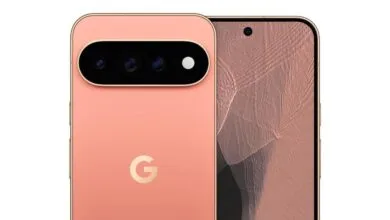
The shift from traditional physical SIM cards to embedded eSIM technology is rapidly becoming the new standard for mobile connectivity, driven by manufacturers’ desire to reclaim valuable internal space for other components. Google’s recent move to make its Pixel 10 series eSIM-only in the US market is a clear sign of this industry-wide transition. My own forced adoption of this technology while reviewing these new phones, however, turned into a significant source of frustration, leading me to believe the change was premature for many users.
The evolution of the SIM card is a story of miniaturization. Starting as a credit card-sized piece of plastic in the 1990s, it has been progressively shrunk through the mini, micro, and nano generations. The current nanoSIM is incredibly small, but within the densely packed architecture of modern smartphones, every millimeter counts. This relentless push for internal real estate paved the way for the embedded SIM, or eSIM.
Introduced as a standard in 2016, eSIM technology began as a secondary option in devices. Unlike a removable plastic card, an eSIM is a tiny, programmable chip permanently attached to the phone’s motherboard. This design allows a single device to store multiple carrier profiles and switch between them digitally, adds a layer of security against physical SIM theft, and most importantly for manufacturers, occupies roughly half the space. This space-saving advantage is the primary reason companies are now eliminating the physical SIM tray altogether.
Apple led this charge by removing the SIM slot entirely from the iPhone 14 lineup in the United States. The company repurposes that saved space; for instance, the international iPhone 17 model with a physical slot actually has a marginally smaller battery than its eSIM-only counterpart, though the difference is a modest eight percent. Google has now followed suit with the Pixel 10. Unfortunately, unlike Apple’s approach, the US eSIM-only Pixel 10 models do not offer any tangible hardware benefit, such as a larger battery, compared to the international versions that still include a SIM card slot. This lack of a clear user advantage made the cumbersome switching process feel like a downgrade rather than a step forward.
(Source: Ars Technica)